















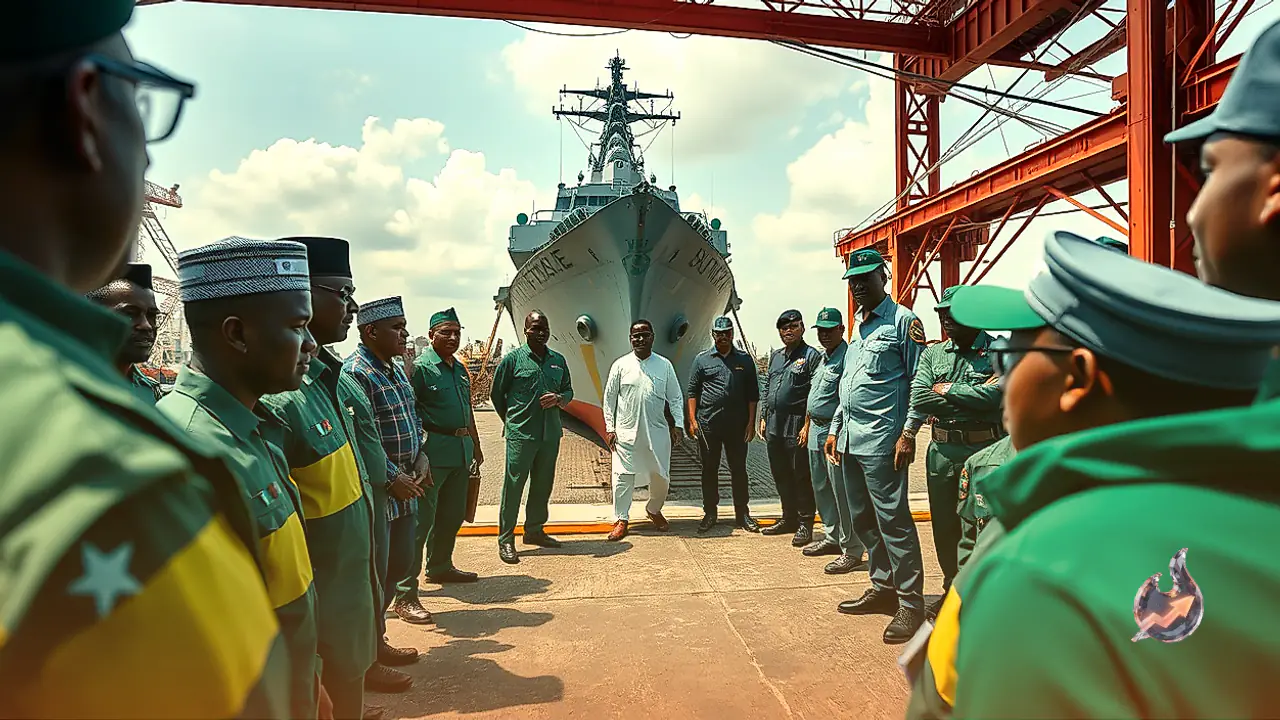

Rich in oil and natural gas reserves, Nigeria is advancing its industrial capabilities to safeguard its strategic waters through domestic shipbuilding. The West African nation has built the 'Kali-3' security support vessel in close collaboration with the Nigerian Navy. Rather than serving merely as an operational patrol boat, the vessel reflects a deliberate push toward expanding domestic defense manufacturing by leveraging local engineering expertise, technical talent, and domestic supply chains.
Strategic Maritime Protection and Industrial Capacity
Maritime protection remains an absolute economic and strategic priority for Nigeria, as offshore oil extraction and natural gas assets form the cornerstone of its economy. Maintaining stability across its coastal waters demands dependable maritime platforms, and building support vessels locally enables the country to reinforce its broader industrial infrastructure. While 'Kali-3' adds notable logistical strength, definitive technical parameters regarding its weapons systems, exact combat capabilities, and operational combat readiness remain unconfirmed, meaning it should not be categorized as a decisive frontline naval weapon without verified specifications.
Local Employment and Shipbuilding Expansion
The primary significance of 'Kali-3' lies in Nigeria's expanding domestic capability within maritime design and construction. Should these indigenous shipbuilding initiatives scale upward, they stand to unlock substantial technical employment opportunities for local engineers and tradespeople. Furthermore, cultivating a homegrown shipbuilding base fosters domestic expertise and creates an enduring supply ecosystem to support long-term naval operations and commercial offshore security.
Energy Sector Diversification into Marine Engineering
The realization of this vessel involved significant participation from SEEPCO, an energy enterprise owned by Nitin Sandesara. Moving beyond its conventional exploration and extraction operations, the company channeled industrial resources into maritime engineering and vessel assembly. Construction took place at the HM Shipyard located in Okpai, Delta State, relying extensively on indigenous talent and local manufacturing assets. The endeavor illustrates how heavy industrial know-how developed within the energy sector can be effectively redirected toward critical maritime infrastructure projects.