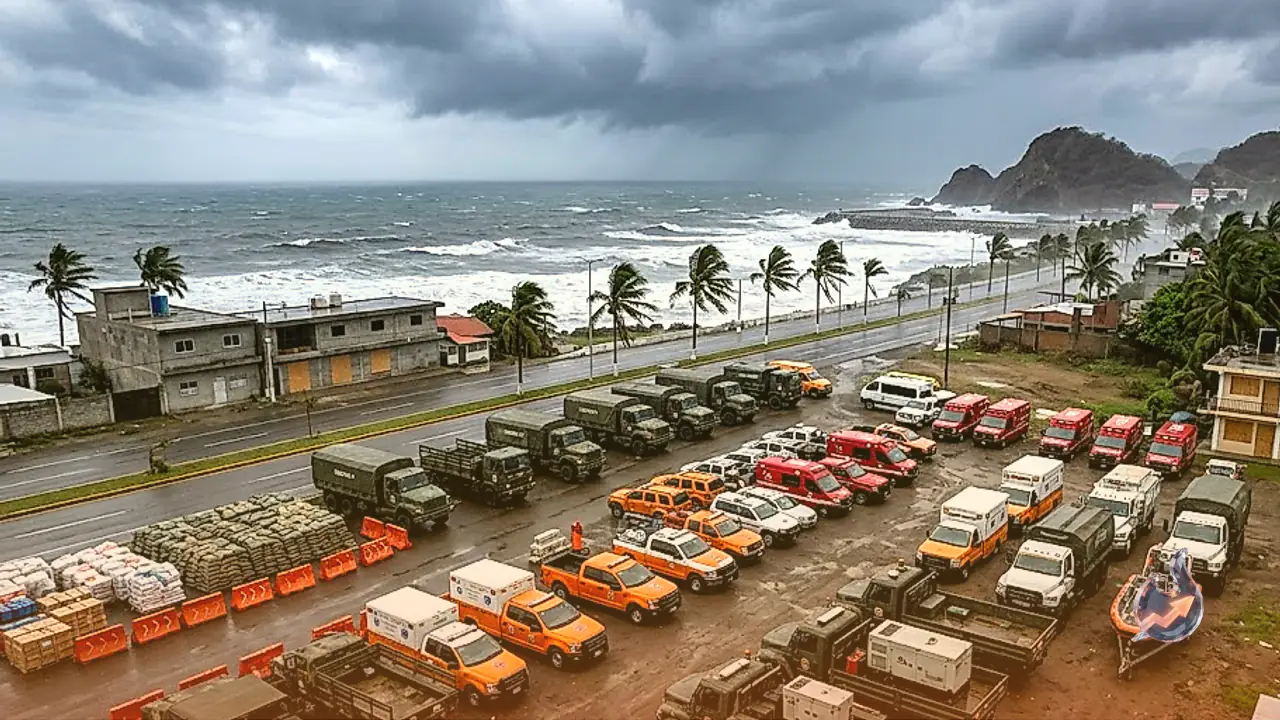























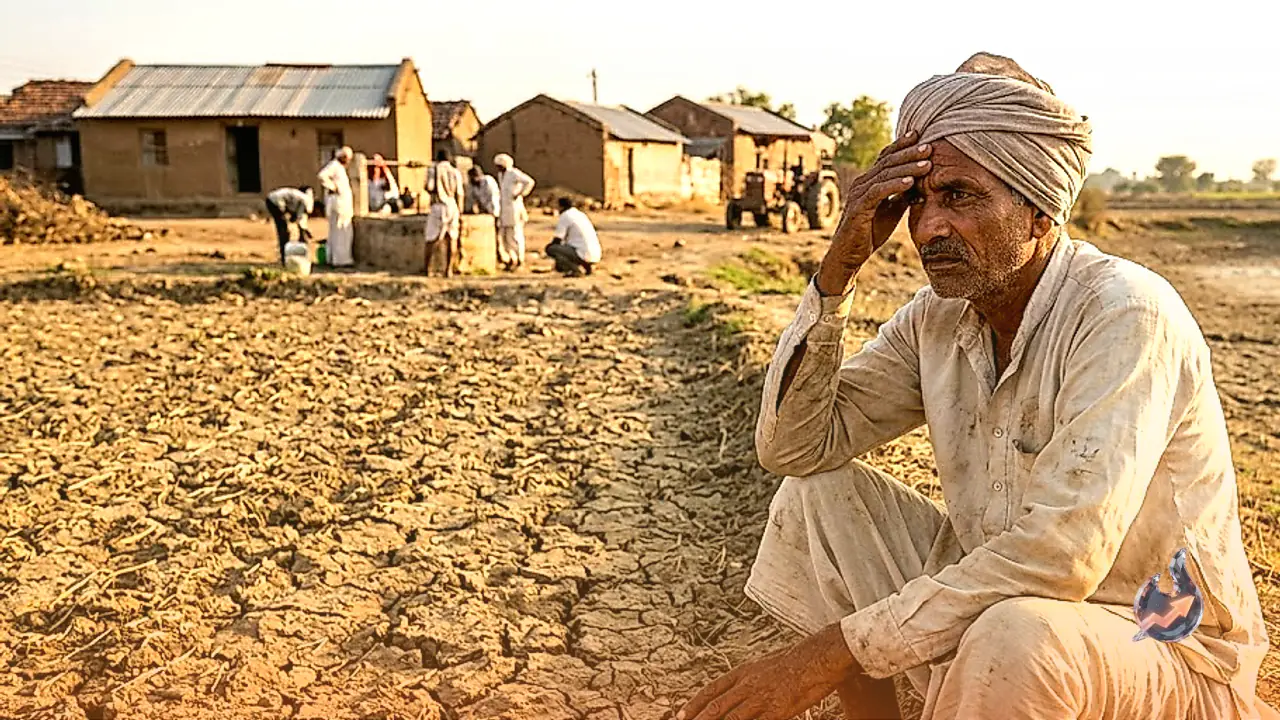

Unpredictable and extreme weather conditions have been witnessed across the globe throughout the year, with ordinary citizens enduring severe heatwaves, torrential downpours, and sudden flash floods within a span of just a few months. However, this appears to be only the beginning, as the concluding months of the year are projected to bring even more alarming conditions. The evolving situation suggests that the winter season might practically fail to materialize as an intense El Nino pattern takes full effect by February, placing India firmly within a high-risk danger zone.
Global Warnings Regarding Extreme Weather
The rapid pace at which global weather dynamics are shifting has intensified concerns among scientists and environmental researchers worldwide. The United Nations and the World Meteorological Organization have issued a severe warning, stating that the planet has officially stepped into an extreme weather danger zone. The intensifying climate pattern brewing in the Pacific Ocean is expected to reach its most severe phase by the end of the year, thoroughly disrupting the entire global meteorological cycle. The greatest apprehension surrounds India, where a heavy alert has been issued for the upcoming six months. Experts believe that due to this severe climatic shift, the winter season may either be rendered ineffective or fail to bring the usual freezing temperatures.
Will Freezing Winters Actually Be Missing?
With the winter season only a short time away, the upcoming cold months are not expected to follow historical patterns. According to meteorological scientists, the activation of this intense weather anomaly makes the likelihood of severe cold conditions across northern and central parts of the country appear very low. The biting cold and intense cold waves typically experienced during December and January could be completely suppressed by the unseasonal warmth generated by this phenomenon. Across the entire Indian subcontinent, temperatures during both day and night are projected to remain significantly above normal levels, implying that the sensation of deep winter freeze will be minimal.
Factors Driving the Intensification of the Weather Cycle
The climate phenomenon typically originates when surface waters in the central and eastern Pacific Ocean become warmer than usual. However, ongoing oceanic anomalies have alarmed researchers, with water temperatures rising at an unusual and frightening pace. According to specific index monitoring, sea surface temperatures reached two degrees Celsius above normal as early as July, with subsequent weekly readings climbing further to between 2.2 and 2.6 degrees Celsius. More critically, the anomalous heat is not confined to the surface; deep subsurface temperature measurements in the Pacific Ocean recorded readings more than eight degrees Celsius above normal during July and August, acting as an intense energy source for the developing climate cycle.
Extended Crisis Projected Until 2027
Recent reports released by the World Meteorological Organization have raised global alarm bells, indicating a nearly one hundred percent probability that these severe climatic impacts will persist continuously through February 2027. Scientists believe that this hazardous weather pattern will peak toward the end of 2026. Emphasizing the gravity of the situation, United Nations Secretary-General Antonio Guterres noted that as the oceans continue to warm, the planet is becoming increasingly entrapped in a severe web of extreme weather events, potentially shattering historical temperature records across most parts of the world in the next six to eight months.
Growing Concerns and Impacts for India
For an agrarian economy like India, the excessive strength of this climate pattern poses significant challenges. Historical precedent indicates that whenever this cycle intensifies, the monsoon season in the country either experiences severe droughts or extreme irregularity. The India Meteorological Department has issued warnings indicating that the phenomenon could become even more pronounced between October and December, with early effects already becoming visible across the nation. These include agricultural setbacks due to reduced rainfall in several regions during August, predictions of below-normal precipitation extending into September, and depleting water levels in major domestic reservoirs, which threaten to trigger severe drinking water and irrigation shortages.
Wider Global Environmental Consequences
When this intensified climate pattern emerges, it severely disrupts global wind and precipitation systems, leading to widespread meteorological imbalances. Regions spanning from the Amazon rainforest to parts of Asia and Africa are likely to face prolonged droughts, heightening water scarcity and significantly increasing the frequency of severe wildfires. Conversely, other parts of the world may experience excessive rainfall resulting in sudden flooding and submerged urban landscapes. Additionally, terrestrial areas may experience elevated temperatures during what should be colder months, exposing populations to unseasonal heat and unexpected heatwaves.
While this climatic shift is fundamentally a natural occurrence, human-induced global warming has amplified its severity. Elevated atmospheric and oceanic temperatures driven by pollution and carbon emissions have created an environment where such extreme weather cycles manifest with heightened intensity.