






















In modern India, the Right to Education Act ensures that basic learning is available to everyone without discrimination. Regardless of whether a family is wealthy or economically disadvantaged, and irrespective of religion or social background, every citizen now has the legal entitlement to access schooling for themselves and their children. This open access stands in stark contrast to the era of British colonial rule, when formal education was an elusive privilege. During that period, large landholders and landlords held enormous sway over rural society, yet even among them, access to formal learning followed an entirely different and selective set of rules.
The Mechanics Behind the Downward Filtration Model
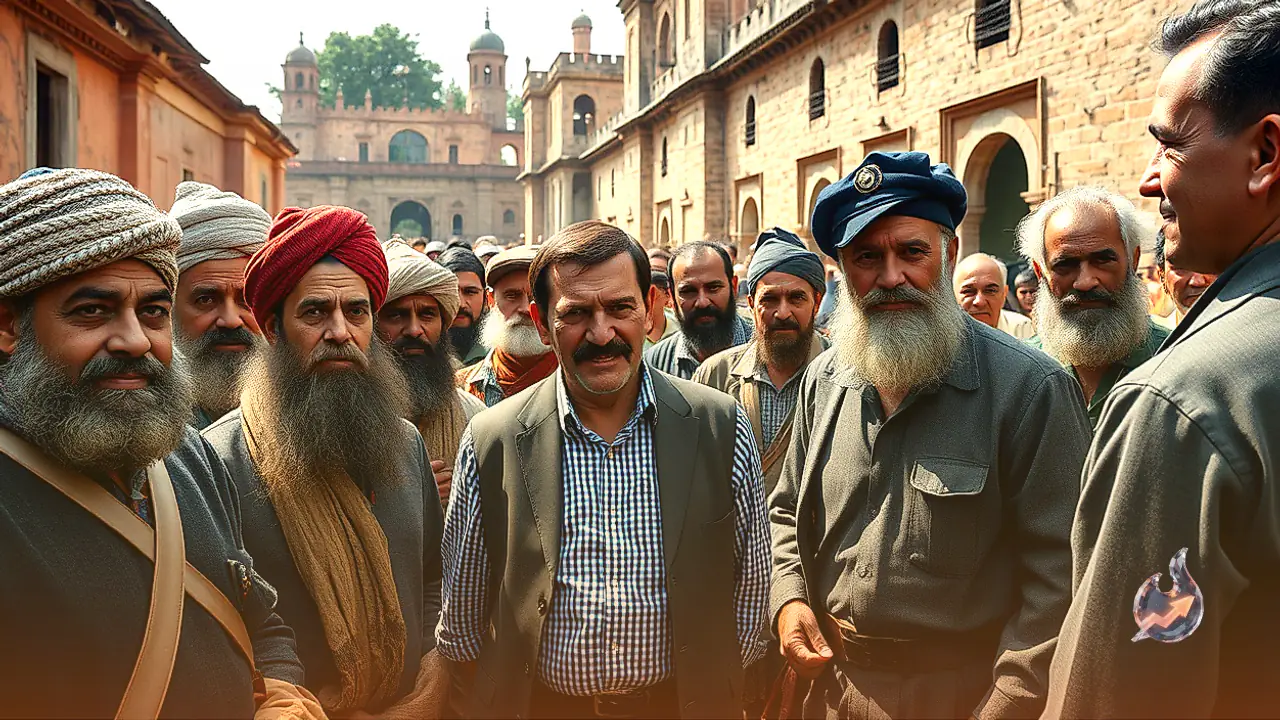
The colonial administration devised a specific framework for educating the landed gentry. According to Anil Kumar, who comes from a landlord family background, the British authorities introduced a structured policy that came to be known as the downward filtration system. Under this arrangement, the governing administration focused its limited educational resources primarily on landlords and the aristocratic class. The objective was to instruct these prominent figures in the English language and related subjects first. The premise of the plan was that once the landlords completed their education, they would return to their estates and impart knowledge to the general public living under their authority.
Anil Kumar noted that a delegation of landlords even met with the governor of the time to discuss matters regarding this arrangement. Despite official backing, the initiative could not sustain itself over the long term. A significant obstacle was that numerous landlords placed little personal value on schooling. Nevertheless, there remained individuals within that group who genuinely desired to study and learn, and they utilized this specific channel to acquire their education.
Limited Awareness and Educational Roadblocks for Ordinary People
Social attitudes toward learning were vastly different during that era compared to present-day standards. Anil Kumar pointed out that even among wealthy landlord households, general awareness regarding the importance of education was notably scarce. Most landlords preferred dedicating their time to managing agricultural affairs, landholding duties, hunting, and customary pursuits rather than scholarly activities. This lack of academic interest among the ruling elite directly compounded the hardships faced by the broader population.
Those who did not belong to the landed class and worked under the landlords had to struggle immensely to obtain any degree of literacy. Since common individuals had no direct access to public schools, they depended entirely on whether members of a landlord family chose to teach them. If an educated member of a landlord household took the personal initiative to instruct them, learning was possible; otherwise, ordinary laborers and tenants were left completely without education. Education during that historic era functioned within rigid confines, and anyone seeking formal instruction had to navigate the narrow conduit provided by the downward filtration framework.