






















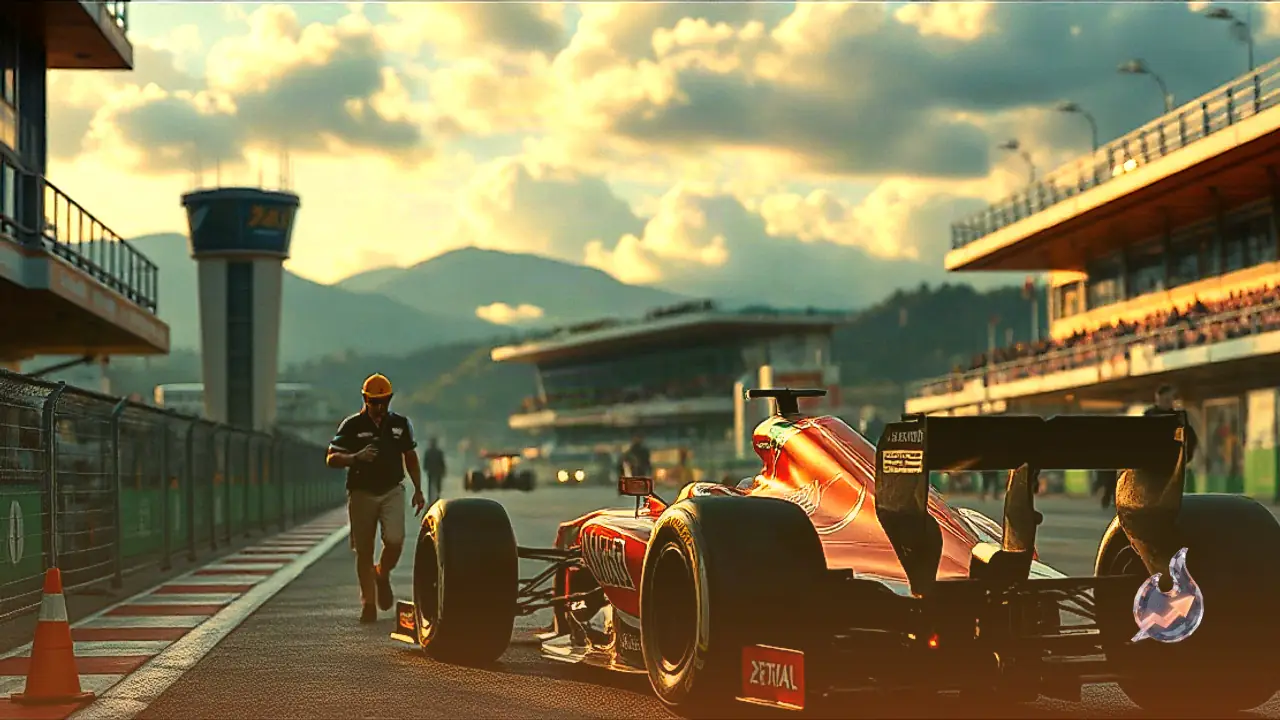

Formula 1 organizers have officially designated the upcoming Italian Grand Prix at Monza as a heat-hazard race due to persistent extreme temperatures sweeping across the region following a severe summer heatwave. The official classification triggers special regulatory protocols aimed at mitigating severe driver overheating risks during the main event on Sunday, where ambient weather conditions are expected to reach scorching levels.
Official Heat Hazard Thresholds and Regional Temperature Forecasts
An official heat hazard designation is triggered under Formula 1 regulations whenever weather forecasts indicate that ambient temperatures will exceed 31C at any point during Sunday's main race. Weather forecasts surrounding the historic Monza circuit, situated northeast of Milan, show that ambient temperatures will remain consistently in the mid-30C range throughout the entire Grand Prix weekend. Local weather tracking recorded temperatures peaking at 36C on Wednesday afternoon in the vicinity of Milan's Linate airport, highlighting the intensity of the ongoing heatwave affecting the northern Italian countryside.
Italy marks only the second Grand Prix event during the current racing season to be formally designated as a heat-hazard race. The first event to receive this extreme temperature classification was the Austrian Grand Prix, which took place earlier during the summer heatwave. The declaration reflects growing concerns over extreme thermal conditions and their direct operational impact on driver safety and vehicle performance during high-speed endurance competition.
Driver Cooling Kit Options and Technical Weight Regulations
Under the heat-hazard ruling, drivers are permitted to equip specialized driver cooling systems designed to regulate body temperature during the race. The approved cooling apparatus operates by circulating a cooled liquid solution, such as glycol, through an intricate network of internal pipes embedded directly within a fireproof top garment worn underneath the driver's standard racing overalls. This fluid circulation system actively draws heat away from the driver's torso during high-intensity track sessions.
The installation of the driver cooling kit remains optional rather than mandatory under the official rules. However, to prevent any team from gaining an unfair aerodynamic or structural weight advantage by omitting the equipment, strict balance parameters are enforced. Any driver who chooses not to equip the cooling system must carry an additional 5kg of mandatory ballast inside their car throughout the event. This equalizing weight requirement ensures that skipping the cooling vest provides zero competitive weight benefit on the track.
Physical Demands inside the Cockpit and Reliability Challenges
Despite the availability of the cooling technology, several Formula 1 drivers historically prefer to race without the kit due to physical discomfort and operational reliability risks. A primary concern among drivers is the potential for the coolant fluid to deplete or fail before the completion of the Grand Prix. If the cooling liquid runs out mid-race, the stagnant fluid remaining in the pipes rapidly absorbs heat from the surrounding environment, eventually matching the internal temperature of the race car itself, which is significantly hotter than the outside air temperature.
Thermal management is a critical safety issue inside a modern Formula 1 car, where cockpit temperatures routinely surge past 40C during competitive action. Compounding the physical stress, drivers are required to wear multiple layers of specialized fireproof clothing beneath their overalls, alongside a protective balaclava and a full-face helmet. The combination of intense ambient heat, extreme cockpit enclosure temperatures, heavy physical exertion, and thick protective gear creates severe overheating hazards, making effective thermal management vital for driver endurance and safety.
Historical Context at the Historic Monza Circuit
The challenging atmospheric conditions add another layer of complexity to one of motorsport's most celebrated venues. The Monza circuit has witnessed numerous dramatic moments in Grand Prix history, including memorable victories for Ferrari. Notably, Ferrari driver Charles Leclerc has claimed victory at the Italian Grand Prix on two separate occasions, securing emotion-charged home wins for the Italian team in both 2019 and 2024. As the grid prepares for another high-temperature challenge at Monza, teams and drivers must carefully balance physical comfort, technical reliability, and strict weight regulations under the heat-hazard framework.