























Kathmandu-Bound Air India Flight Diverted to Delhi Following In-Flight Technical WarningIndia
19 Sept 2026, 7:09 pm (29 min ago)· 0

Kathmandu-Bound Air India Flight Diverted to Delhi Following In-Flight Technical Warning

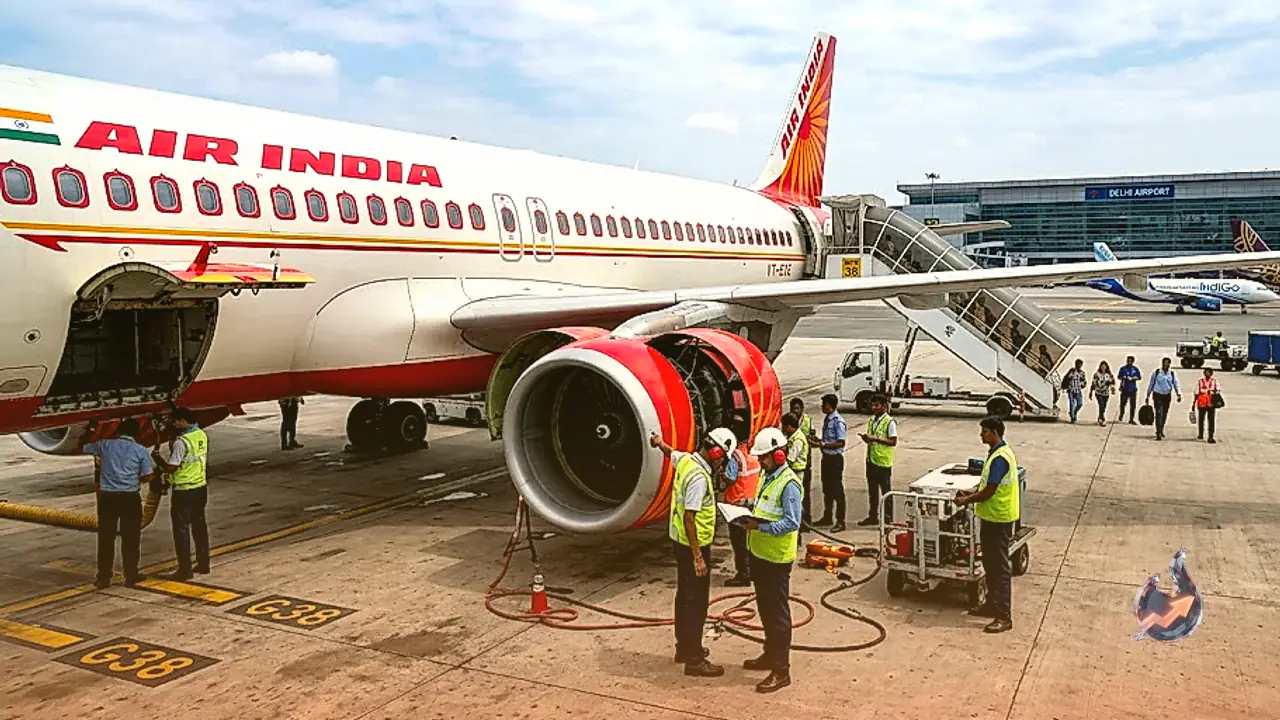
An Air India Airbus A320 flying from Delhi to Kathmandu was forced to return mid-journey after cockpit alerts indicated a technical snag near the Nepal border.

A scheduled Air India flight operating from Indira Gandhi International Airport in New Delhi to Kathmandu had to abort its journey mid-air due to an unexpected cockpit alert. The aircraft was on the verge of entering Nepalese airspace on Saturday afternoon when an onboard warning system signaled a technical malfunction. Confronted with the warning, the flight crew determined that continuing into foreign airspace was unfeasible and immediately resolved to divert the plane back toward the Indian capital.

Mid-Air Reversal Over Lucknow Skies

According to an official at Tribhuvan International Airport in Kathmandu, the aircraft was flying over the city of Lucknow when the cockpit detected the technical issue. Prioritizing passenger safety over schedule commitments, the captain promptly contacted Delhi Air Traffic Control (ATC) to declare the technical situation. The crew requested permission for an air-turnback and a diverted landing at Indira Gandhi International Airport. Upon receiving clearance from air traffic controllers, the aircraft reversed its course directly over Lucknow airspace and headed back toward Delhi.

Also read

Safe Touchdown at Indira Gandhi International Airport

After navigating back across northern Indian airspace, the flight touched down safely at Indira Gandhi International Airport. Aviation staff confirmed that all passengers and flight crew members remained safe and unharmed throughout the diversion. Following standard safety evaluations and logistical procedures on the ground, the airline arranged for the journey to resume, and the flight departed once again for Kathmandu at around 6:30 pm the same evening.

Flight Timing and Aircraft Profile

The service was operated under flight number AI-219 using an Airbus A320-214 twin-engine passenger jet. The aircraft had departed from New Delhi at 2:42 pm on Saturday and was initially scheduled to land at Kathmandu by 4:30 pm. However, the flight profile was curtailed well before its destination runway could be approached. Aviation authorities have not yet specified the exact onboard component or warning sensor that triggered the mid-air alert.


Questions & Answers

What was the route of the diverted Air India flight?
The flight was traveling from Indira Gandhi International Airport in New Delhi to Kathmandu.
Where was the aircraft when the pilot decided to turn back?
The aircraft was flying over Lucknow when cockpit instruments detected a technical malfunction warning.
Which aircraft model and flight number were involved?
The flight was operating as AI-219 using an Airbus A320-214 twin-engine passenger aircraft.
What was the original departure and scheduled arrival time?
The flight took off from New Delhi at 2:42 pm and was scheduled to touch down in Kathmandu at 4:30 pm.
When did passengers finally depart for Kathmandu?
After landing safely in Delhi, the passengers were flown out to Kathmandu at approximately 6:30 pm.

Comments 2

Karan Malhotra@karan-malhotra·just now

This incident is critically important from the perspective of aviation safety and emergency protocols. Although the pilot's prompt decision averted a major crisis and ensured the safety of all passengers, the exact trigger behind the cockpit warning remains unspecified. Aviation regulators must conduct a thorough technical investigation into the Airbus A320-214's specific component failure to prevent such mid-air emergencies in the future.

Rohan Verma@rohan-verma·just now

The mid-air reversal over Lucknow underscores the robustness of emergency protocols and ATC coordination within the busy air corridors traversing Uttar Pradesh. Given that the state's airspace serves as a critical transit route for both domestic and international traffic, seamless communication between regional air traffic management and Delhi is vital during such airborne crises. Regulatory bodies must ensure that recurring technical alerts receive thorough technical audits to prevent operational disruptions.

Citizen journalism

Become a TrendKia journalist

Voice of the people

Share news, photos and videos from your area with TrendKia and let your voice reach the nation. Every citizen a journalist.

Join now
CH 01 LIVE
TrendKia TV ON AIR
Chamar no WhatsApp