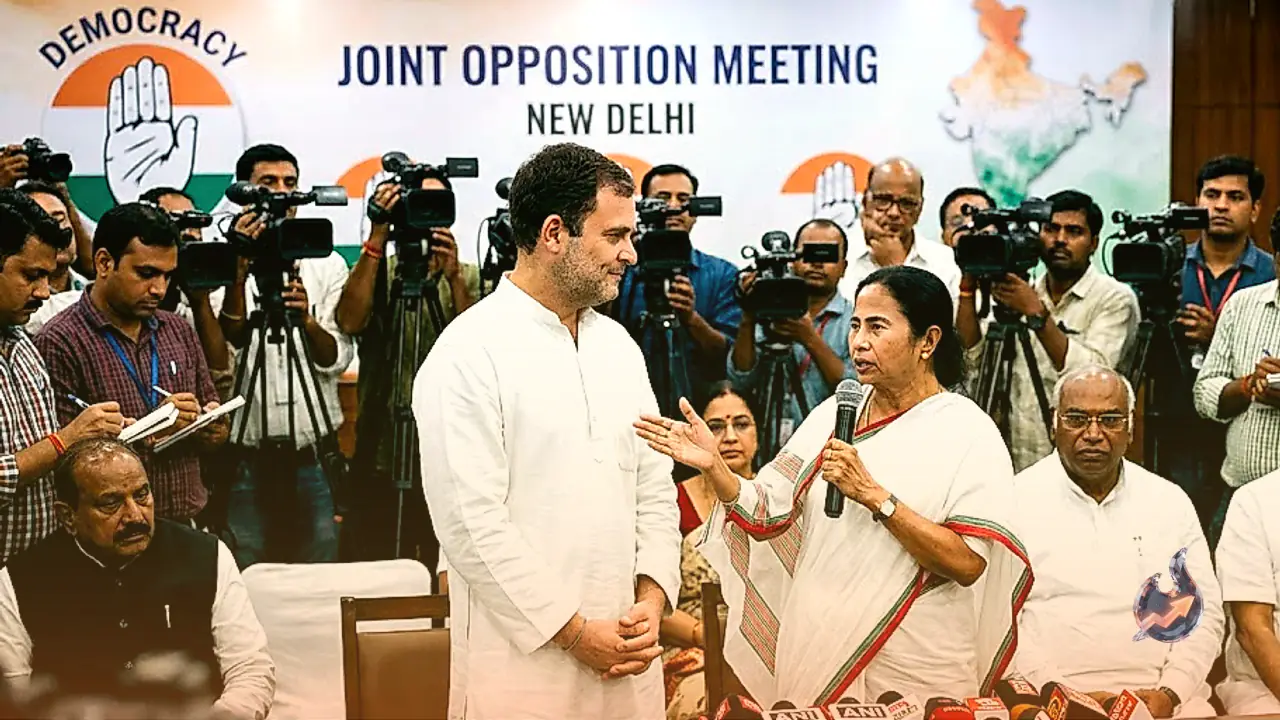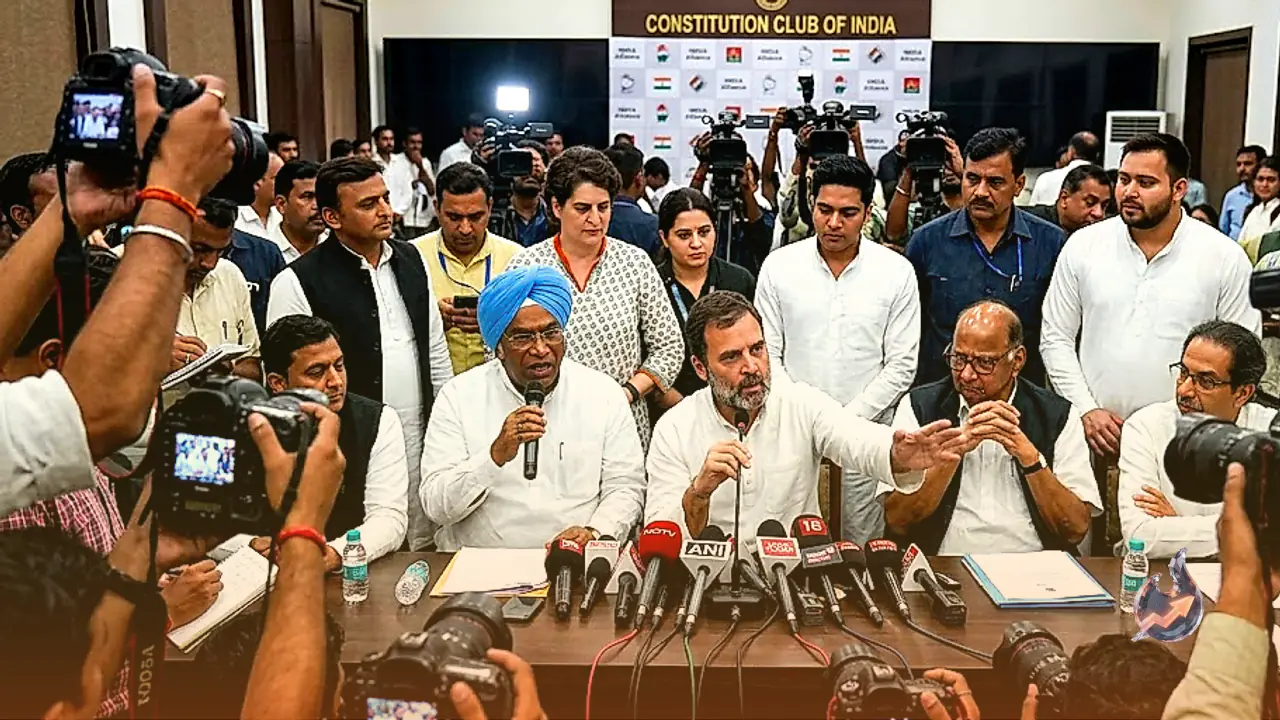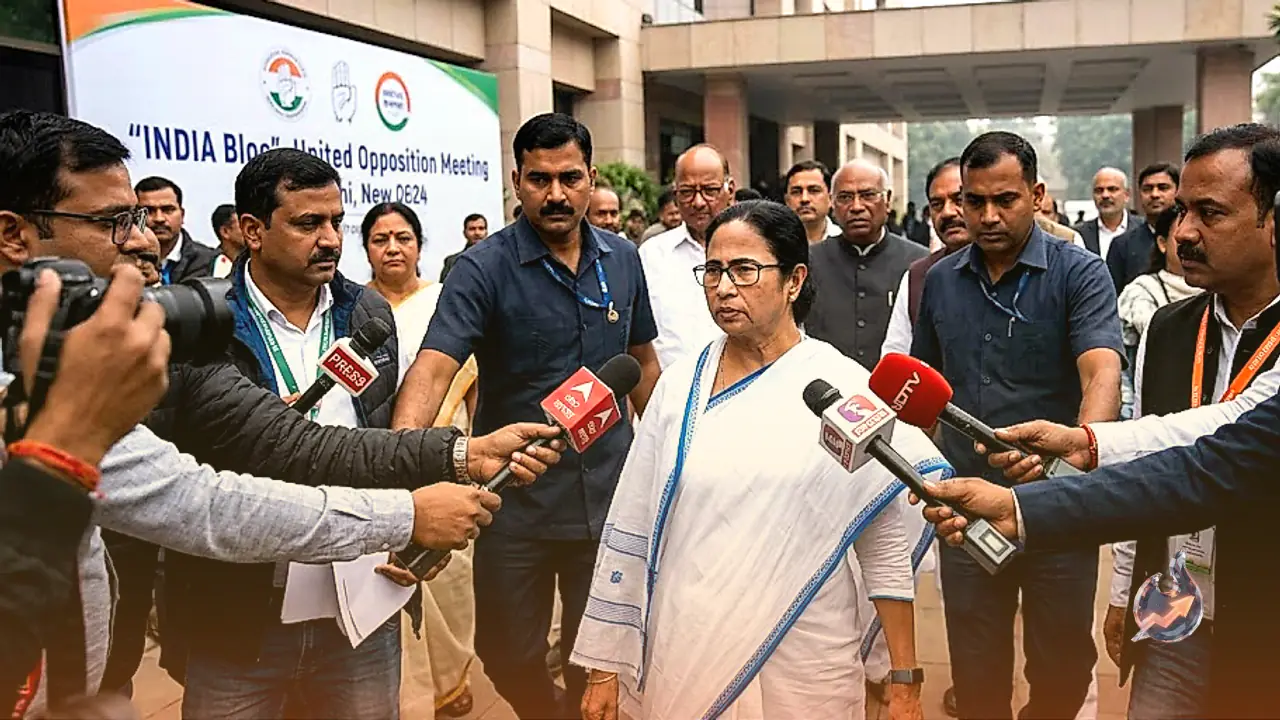
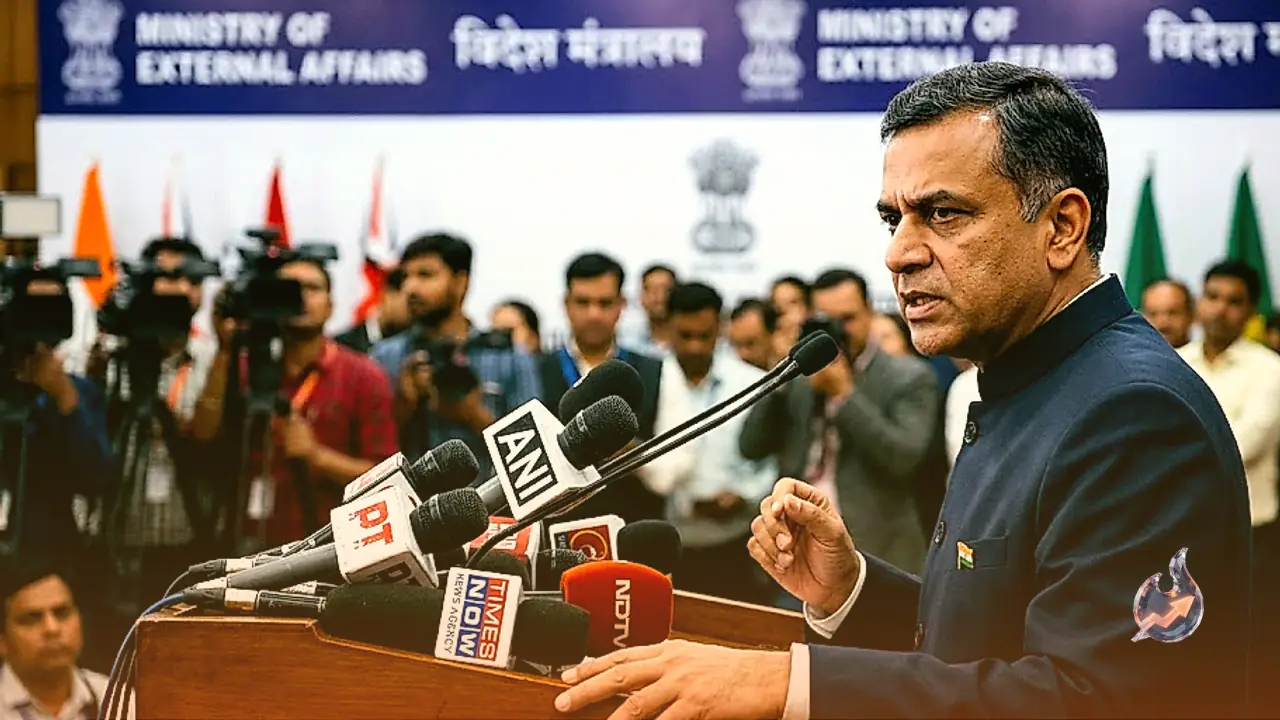














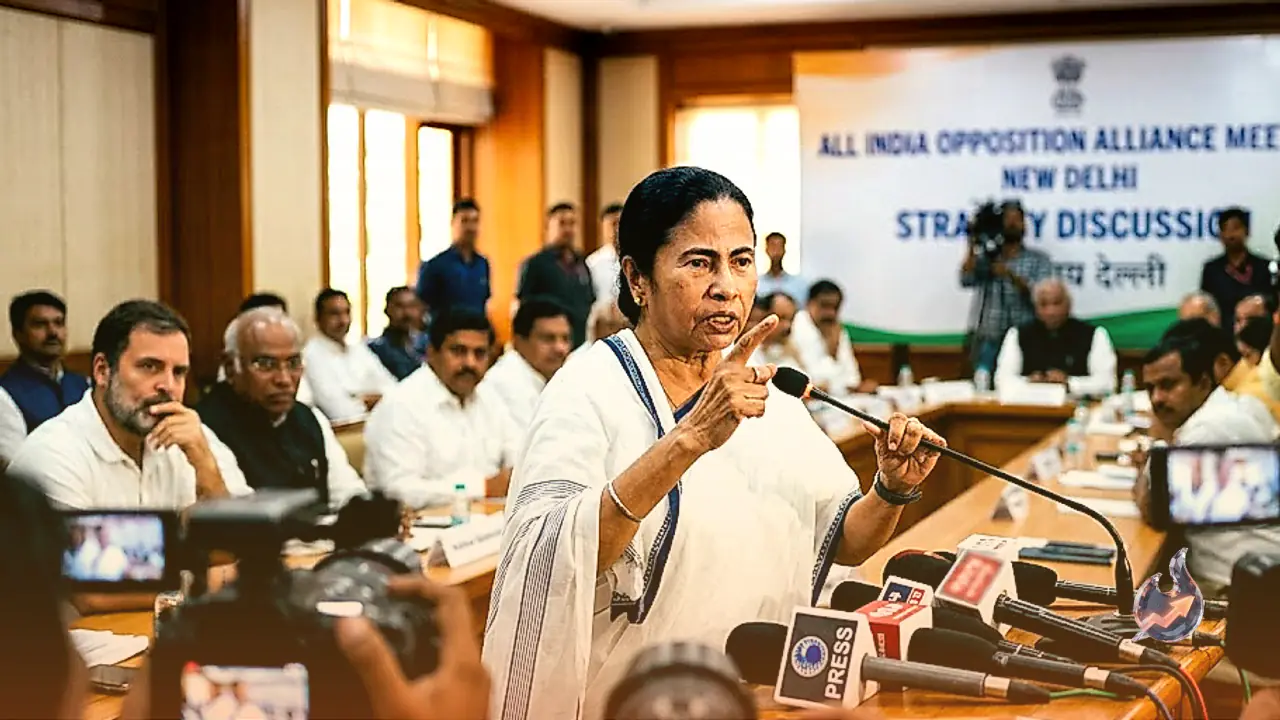

A crucial strategy session of the opposition alliance took place in the national capital, focusing extensively on the functioning of the election machinery, institutional fairness, and the conduct of the Election Commission. Top leaders congregated at the Constitution Club of India to assess the electoral environment and recent administrative processes. West Bengal Chief Minister Mamata Banerjee emerged as the focal point of the discussions, delivering a scathing critique directed at Chief Election Commissioner Gyanesh Kumar. Banerjee asserted that the Chief Election Commissioner was missing from action, while strongly questioning the execution of the Special Intensive Revision, known as SIR. Characterising the entire revision exercise as thoroughly mismanaged, she expressed deep anguish over post-poll conditions, remarking that she can no longer step out of her home, while accusing the Bharatiya Janata Party of operating with an authoritarian and dictatorial mindset.
Concerns Raised Over Electoral Rolls and Special Intensive Revision
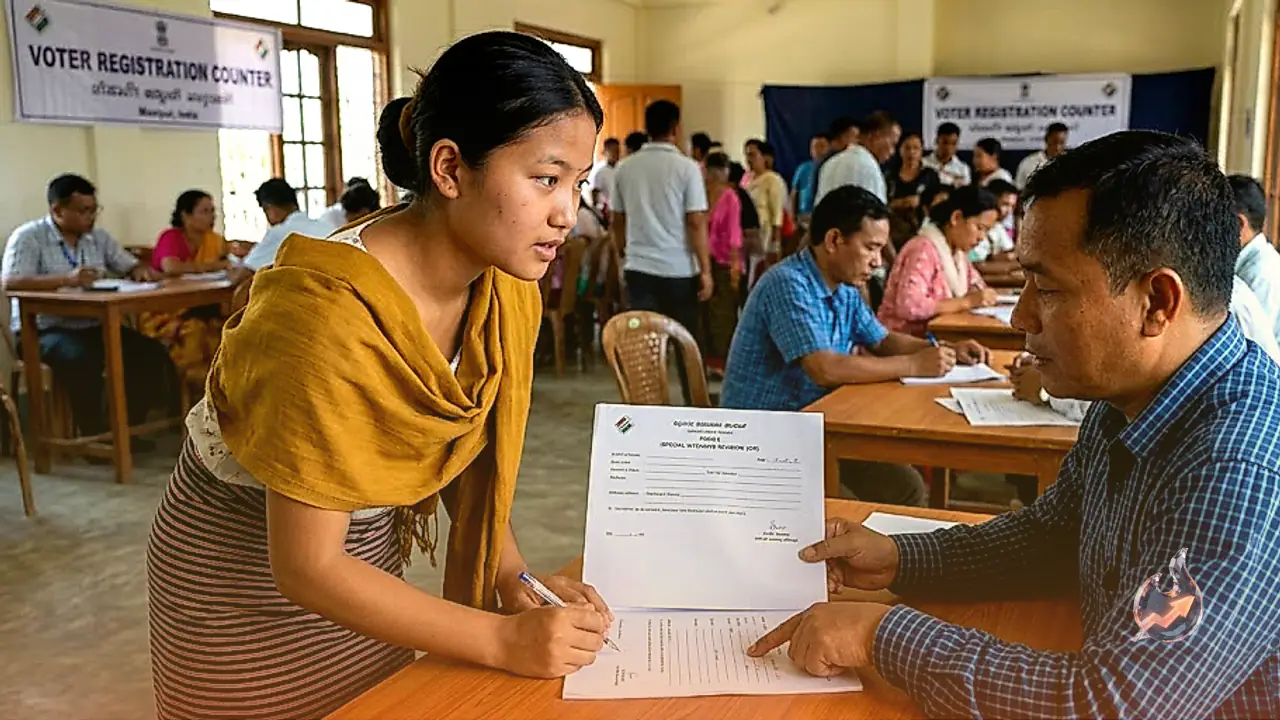
The core agenda of this opposition conclave revolved around disputes tied to the Special Intensive Revision and the broader operations of the Election Commission. For a considerable duration, opposition factions have voiced serious grievances regarding how voter lists are updated and administered on the ground. Inside the meeting, Mamata Banerjee not only questioned the eventual outcomes of the SIR exercise but sharply criticized the manner in which the administrative machinery executed it. She underlined that the revision was conducted in a disorganized and negligent manner. Opposition parties have previously taken their objections regarding this process to the election authorities, and Banerjee's intervention made the issue central to the coalition's shared platform. The attending leaders deliberated on how institutional flaws in updating voter registries undermine public trust in democratic exercises, emphasizing the necessity of a coordinated response against administrative lapses.
Direct Criticism of Chief Election Commissioner Gyanesh Kumar
Mamata Banerjee escalated her critique by directly naming Chief Election Commissioner Gyanesh Kumar during the internal discussions. According to accounts from the meeting, she stated that Gyanesh Kumar was nowhere to be found, questioning his visibility amid serious institutional concerns. This sharp rebuke coincided with active deliberations among opposition parties regarding their next strategic steps, including demands for the removal of the Chief Election Commissioner. Leaders explored the viability of introducing a formal motion against him inside Parliament, examining how various constituent parties could move together on a joint legislative platform. While any final determination regarding a parliamentary motion depends on collective agreement among all alliance partners, Banerjee's forceful intervention significantly intensified the discussions surrounding accountability at the helm of the election body.
Post-Election Environment and Political Allegations
Reflecting on the atmosphere following recent elections, Mamata Banerjee shared alarming observations regarding her personal mobility and security climate. She stated during the discussions on electoral procedures and the SIR exercise that she can no longer step outside her residence. Alongside this observation, she levelled direct political accusations against the Bharatiya Janata Party, citing a dictatorial and authoritarian pattern of functioning. This assessment of the post-election landscape resonated deeply across the conference room, prompting opposition leaders to scrutinize the growing pressures on democratic rights and political operations. Her statements injected an added degree of urgency into the ongoing deliberations over how the opposition should mount a unified challenge to safeguarding constitutional norms and electoral impartiality.
Tejashwi Yadav Highlights Rule Changes and Procedural Irregularities
Ahead of the formal commencement of the meeting, Rashtriya Janata Dal leader Tejashwi Yadav levelled a series of pointed allegations against the Election Commission and the integrity of the polling mechanism. Yadav alleged widespread wrongdoing in elections, asserting that two Election Commissioners had themselves raised concerns regarding the process. He went on to allege that legal frameworks had been amended beforehand in order to shield Gyanesh Kumar. Expanding on his claims, Yadav contended that the statutory timeframe for preserving voting records had been curtailed drastically from one year down to 45 days. Furthermore, he claimed that final voting percentages are artificially revised upwards or downwards after polling concludes, depending on administrative convenience. These assertions added significant fuel to the opposition's arguments regarding procedural opacity and institutional autonomy.
Parliamentary Strategy and the Timeline of Alliance Gatherings
The leadership within the opposition alliance examined the prospect of formulating a coordinated strategy to sponsor a joint motion against the Chief Election Commissioner in Parliament. Lawmakers and floor coordinators are assessing procedural mechanisms to determine how such an action could be effectively pursued. In historical terms, this gathering marked the eighth formal meeting of the opposition bloc over the span of three years. Within the current calendar year, it represented the second major conclave of alliance leaders. The previous meeting occurred on June 8, where issues surrounding the Special Intensive Revision and the institutional independence of the Election Commission were similarly placed at the forefront. Convening roughly three and a half months later, this latest session served as a continuation of those fundamental institutional challenges. While consultative discussions remain ongoing, a unified course of action will crystallize in subsequent parliamentary strategy meetings.
Coalition Dynamics, Attendee Profile, and Key Absences
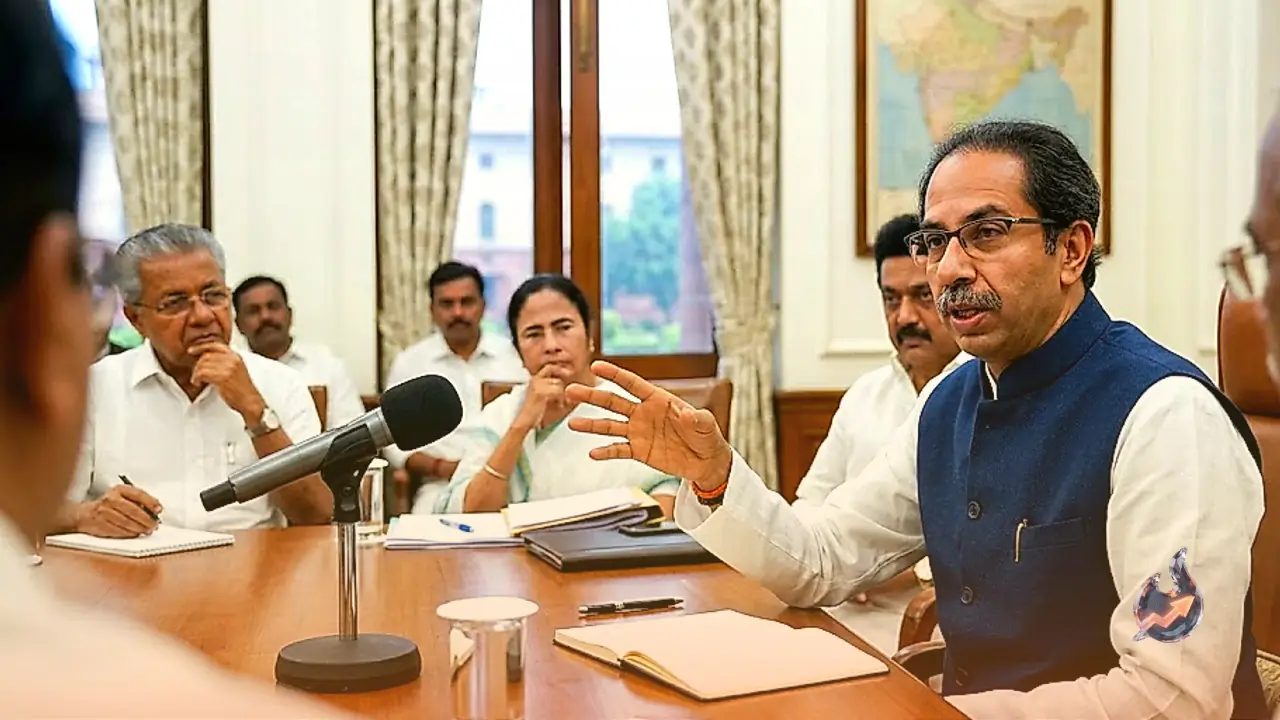
The high-profile meeting at the Constitution Club of India drew senior figures representing a broad spectrum of the opposition. Congress leader Rahul Gandhi attended alongside West Bengal Chief Minister Mamata Banerjee and Rashtriya Janata Dal leader Tejashwi Yadav. Jammu and Kashmir Chief Minister Omar Abdullah also participated in the closed-door discussions. Left leader Dipankar Bhattacharya was present, alongside a delegation from the Samajwadi Party. Samajwadi Party chief Akhilesh Yadav did not attend in person, delegating representation to senior party colleagues. Congress Member of Parliament Jairam Ramesh confirmed that participants included representatives from Congress, Samajwadi Party, Trinamool Congress, NCP-SP, Shiv Sena UBT, RJD, Left parties, and other allied partners. Notably, neither the Aam Aadmi Party nor the DMK sent delegates to the meeting, highlighting distinct tactical nuances within the wider opposition landscape.