



















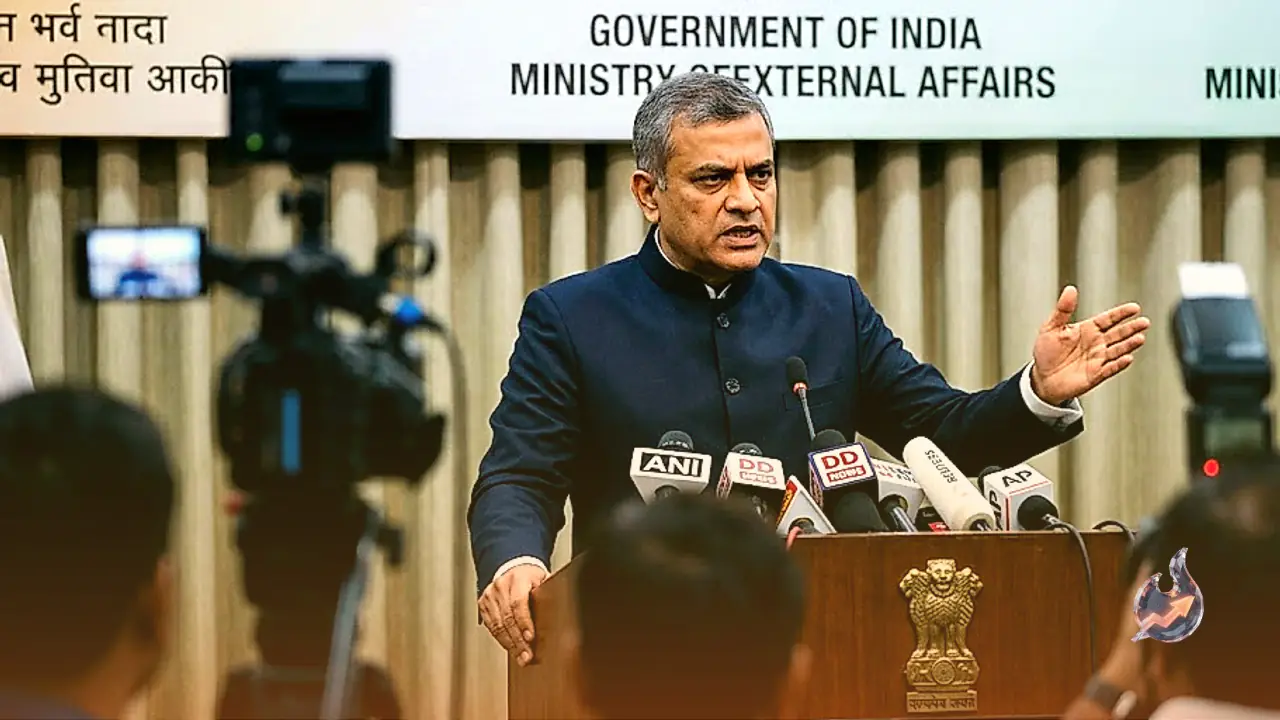

India has delivered a firm and decisive response to Pakistan regarding its observance of the so-called Youm-e-Istehsal and the related remarks made by its Deputy Prime Minister and Foreign Minister on the seventh anniversary of the abrogation of Article 370. The Ministry of External Affairs categorically rejected the entire exercise undertaken by Islamabad. New Delhi characterized Pakistan's effort as nothing more than a political spectacle, malicious propaganda, and a persistent attempt to distort established historical and legal facts.
India Reaffirms Position on Jammu, Kashmir, and Ladakh
Ministry of External Affairs spokesperson Randhir Jaiswal reiterated India's uncompromising stance, emphasizing that the union territories of Jammu and Kashmir as well as Ladakh are integral and inalienable parts of the nation. He stressed that these regions have always been, currently are, and will forever remain an indivisible part of India. The spokesperson underlined that the constitutional measures enacted on August 5, 2019, constitute entirely internal matters of India, over which Pakistan possesses absolutely no locus standi or legal justification to offer comments.
Development and Governance Transformation Post-Article 370
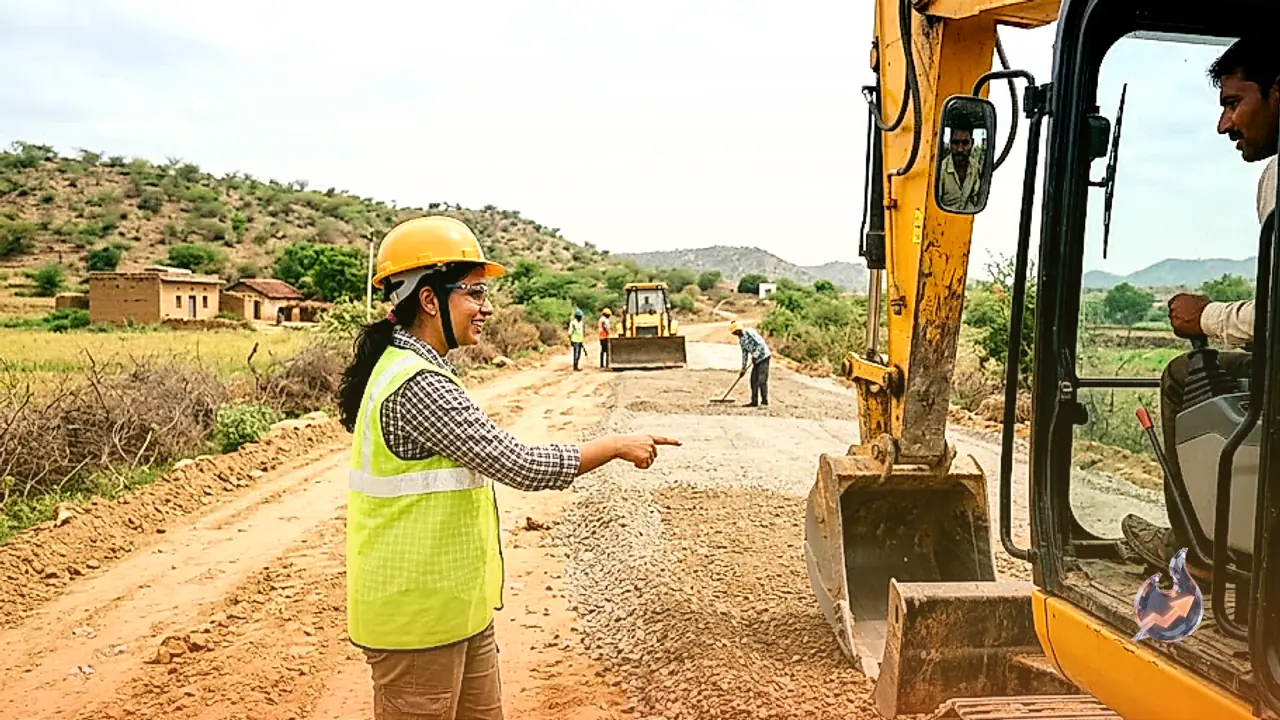
Elaborating on the positive impact of the decisions taken in August 2019, India highlighted that the revocation of special status under Article 370 initiated an era of unprecedented progress. Over the past seven years, Jammu, Kashmir, and Ladakh have experienced significant strides in socio-economic growth, improved administrative governance, and deep-rooted democratic empowerment. Central initiatives have accelerated key infrastructure and welfare projects, making administration far more accessible and responsive to the local population than in previous decades.
Exposing Human Rights Violations and Brutality in PoJK
The Ministry of External Affairs pointed out that Pakistan's repetitive rhetoric is a deliberate attempt to deflect global scrutiny from its own severe domestic failures. By launching orchestrated diplomatic campaigns, Islamabad seeks to draw attention away from its dismal human rights record and its long-standing reputation as a sanctuary for cross-border terrorism. India called upon the international community to recognize how fundamental human rights are being systematically suppressed in Pakistan-occupied Jammu and Kashmir.
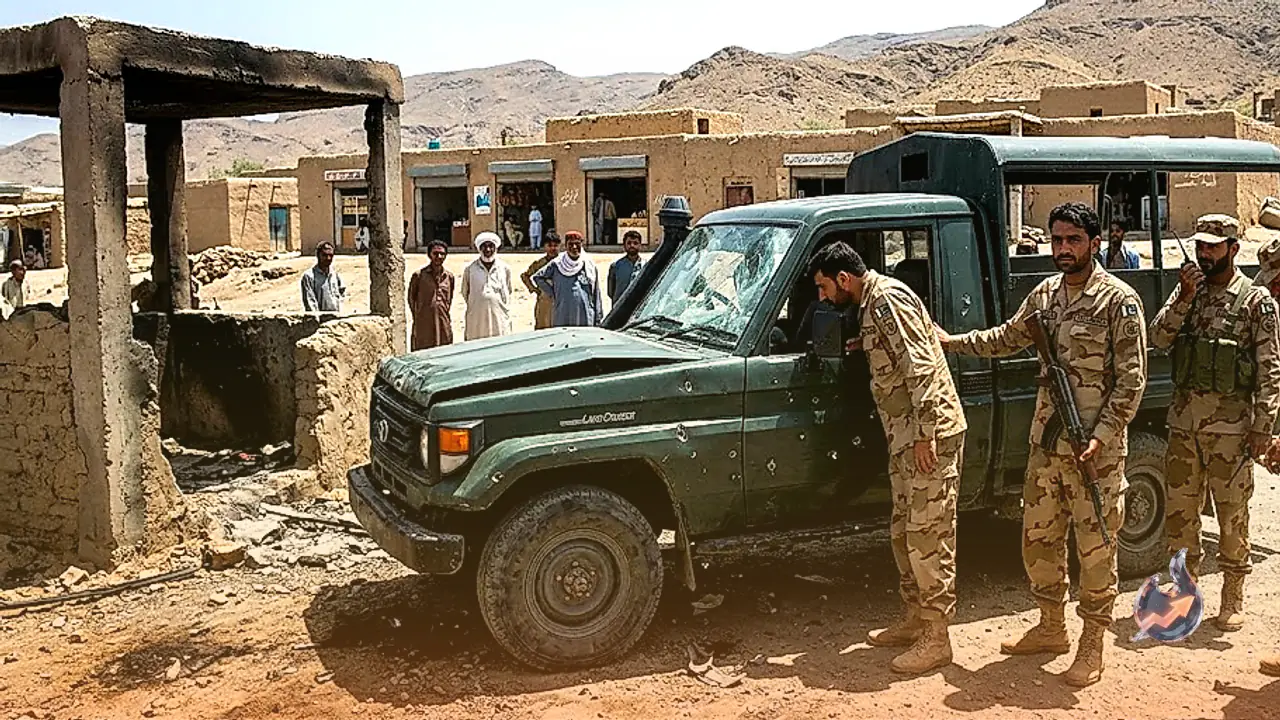
Specific attention was drawn to recent developments within Pakistan-occupied Jammu and Kashmir over recent weeks. India condemned the actions of Pakistani security forces, noting that peaceful civil rights demonstrations by local citizens were met with lethal force, targeted killings, and harsh administrative lockdowns. The brutal crackdown on unarmed civilians in the region starkly exposes the duplicity and hypocrisy embedded in Pakistan's official narratives.
Firm Demand to Vacate Occupied Territory and Stop Terror
India strongly advised Pakistan to abandon its futile diplomatic campaign and hostility against New Delhi. Instead of engaging in baseless anti-India propaganda on global platforms, Pakistan was urged to immediately halt the state-sponsored violence and bloodshed being inflicted upon residents in Pakistan-occupied Jammu and Kashmir. Furthermore, India demanded that Pakistan take credible, verifiable, and irreversible measures to dismantle the terrorist infrastructure operating from territories under its control.
Reaffirming India's long-standing territorial claim, the Ministry of External Affairs demanded that Pakistan immediately vacate all Indian territories under its illegal and forcible occupation. New Delhi concluded by stating that the international community is fully aware of the realities on the ground and will not be misled by Pakistan's calculated disinformation campaigns. The stance of the Indian government remains steadfast as it continues to advance peace, stability, and development across the region.