

















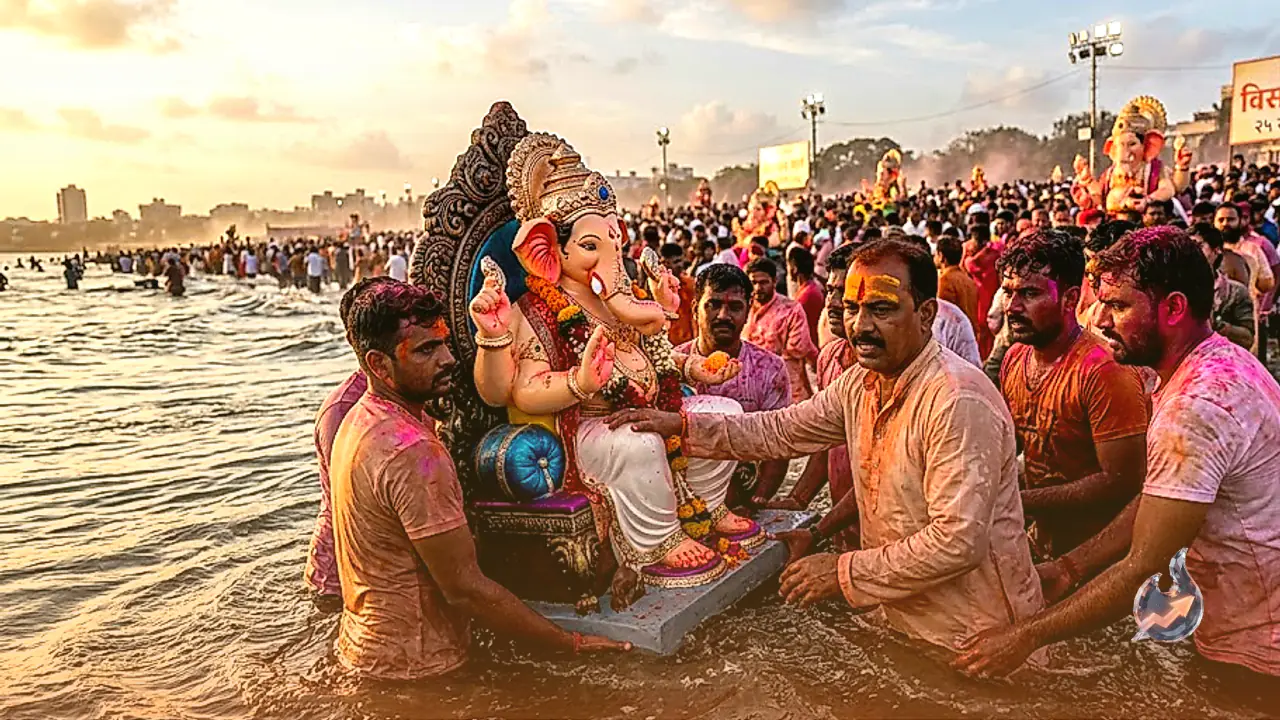

The concluding day of Ganeshotsav, celebrated as Anant Chaturdashi, marks the tender moment when households and public pandals bid farewell to Lord Ganesha. According to sacred traditions, immersion is not merely a parting ritual; it embodies heartfelt prayers asking Bappa to return early the following year. It symbolizes the fundamental cosmic cycle where every manifested form eventually dissolves back into its primal elements. On September 25, 2026, devotees across the nation are preparing for the grand immersion ceremony, yet this particular date brings a rare convergence of astrological alignments that warrant careful consideration.
The Astronomical Confluence: Panchak, Bhadra, and Shool Yog
Panchang records show that the entire day of Visarjan will fall under the span of Panchak and Bhadra. In addition, an astrological phase known as Shool Yog will persist until 2:05 PM in the afternoon. In Vedic astrology, Shool Yog is described as an affliction, literally translating to a thorn or a piercing weapon. Because of these overlapping influences, many devotees are questioning whether immersing Ganpati during such phases is ritually appropriate.
Scholars clarify that Panchak restrictions primarily govern funeral rites, mortal cremation, and matters connected with physical human passing. The water immersion of Lord Ganesha represents the ceremonial send-off of a divine idol whose presence was consecrated for worship. Because deity immersion does not belong to the category of final rites for mortals, scriptural rules permit Ganpati Visarjan during Panchak without attracting adverse effects.
Timeline of Astrological Periods on September 25
The Panchak cycle commenced on the night of September 23 and will run until the morning of September 28. Consequently, the whole day of September 25 remains enclosed within Panchak. Furthermore, the shadow of Bhadra begins at 11:06 AM on September 25 and continues until 6:12 AM the next morning, September 26. Alongside these two, Shool Yog continues until 2:05 PM. Despite these challenging periods, devotees can rely on established auspicious Choghadiya slots and sanctioned daylight hours to execute the ceremony smoothly.
Auspicious Timings and Choghadiya Schedule for 2026
Minor variations of a few minutes may occur across different cities depending on local sunrise tables. The overarching planetary timetable provides the following favorable windows on September 25
- Labh Choghadiya: 7:41 AM to 9:12 AM
- Amrit Choghadiya: 9:12 AM to 10:42 AM
- Shubh Choghadiya: 12:13 PM to 1:43 PM
- Char and Labh Muhurat: 12:15 PM to 3:18 PM
- Prime Overall Immersion Window: 6:12 AM to 12:36 PM
- Morning Auspicious Window: 6:12 AM to 10:42 AM
- Ravi Yog: 6:12 AM to 11:22 AM
- Abhijit Muhurat: 11:48 AM to 12:36 PM
- Vijay Muhurat: 2:14 PM to 3:02 PM
- Godhuli Muhurat: 6:15 PM to 6:39 PM
Essential Farewell Rituals and Civic Responsibilities
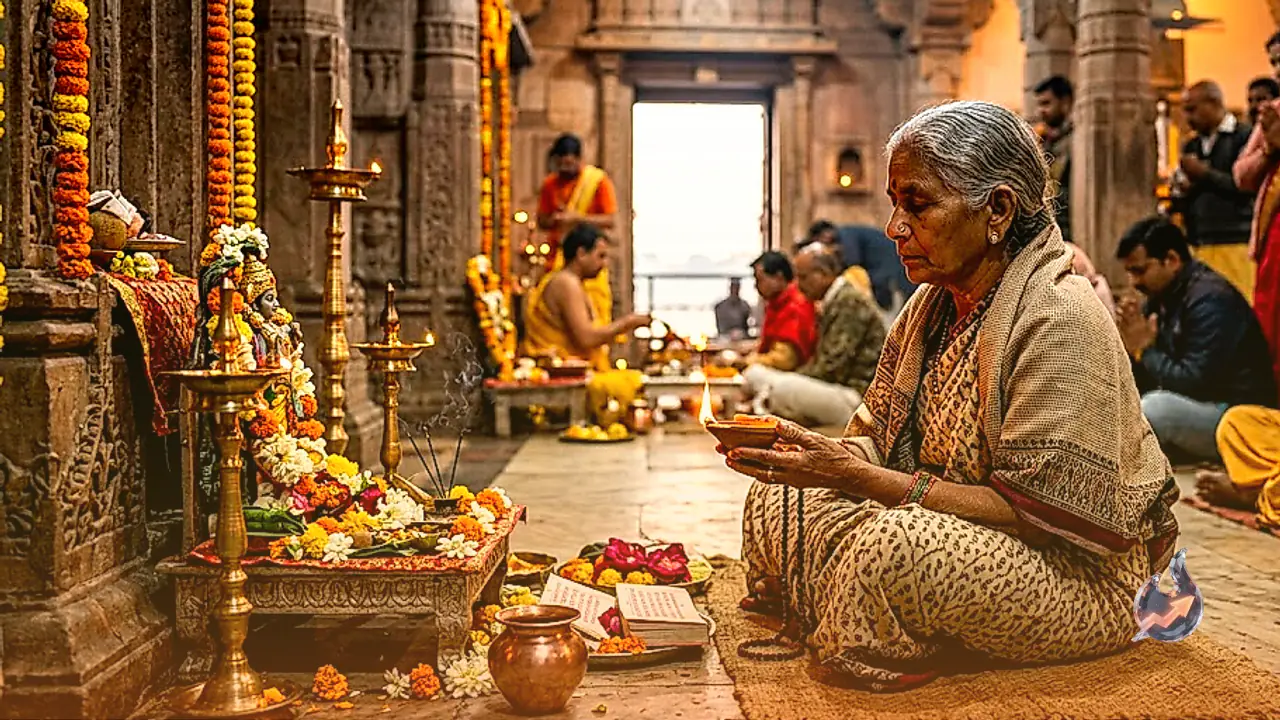
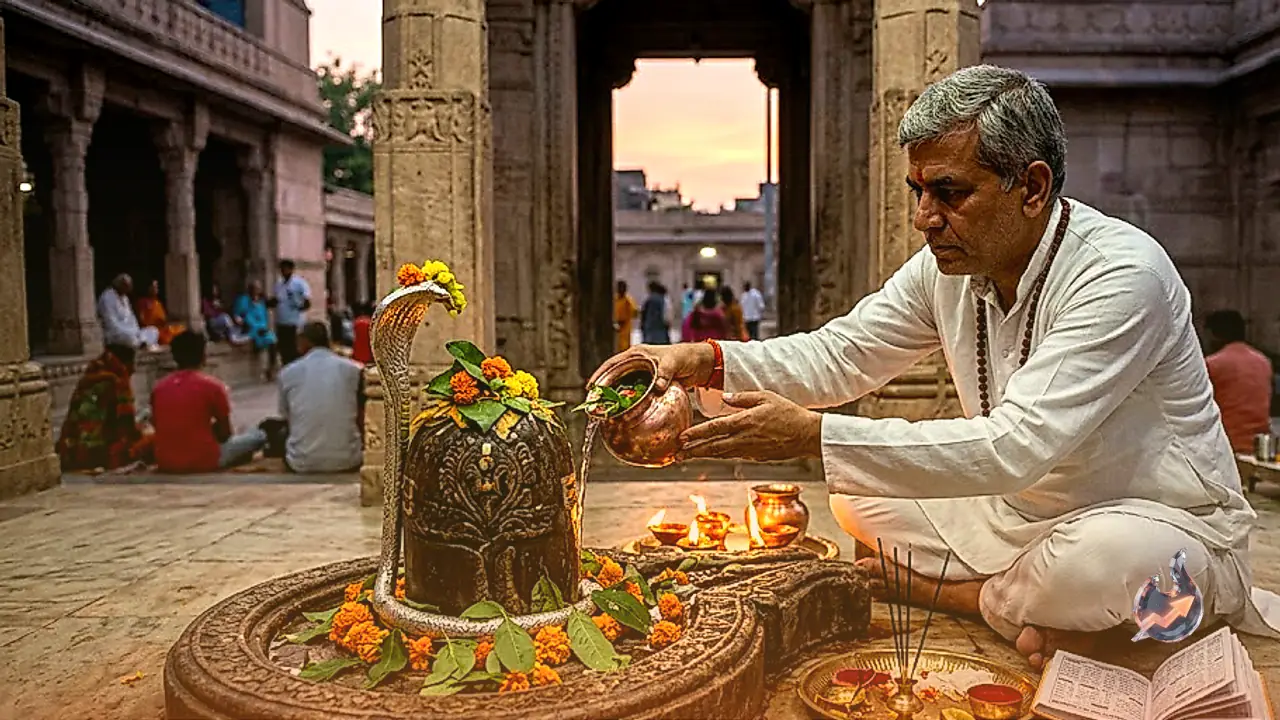
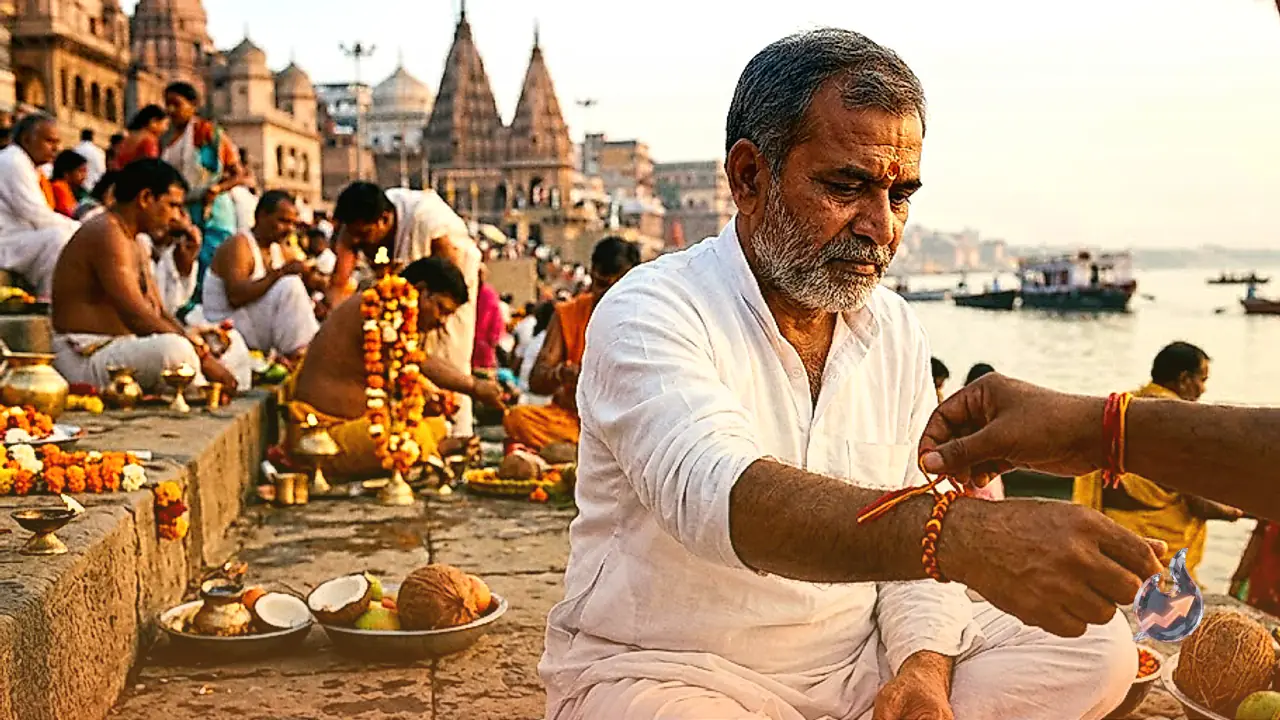
Before transporting the idol to the water body, families and organizers must perform the ceremonial Uttar Puja. Offer final prayers, wave the ceremonial aarti, and present fresh flowers, Durva grass, seasonal fruits, and modaks according to household customs. Gather family members to seek blessings of prosperity, wisdom, and peace, concluding with a prayer seeking forgiveness for any intentional or inadvertent oversights during the worship period.
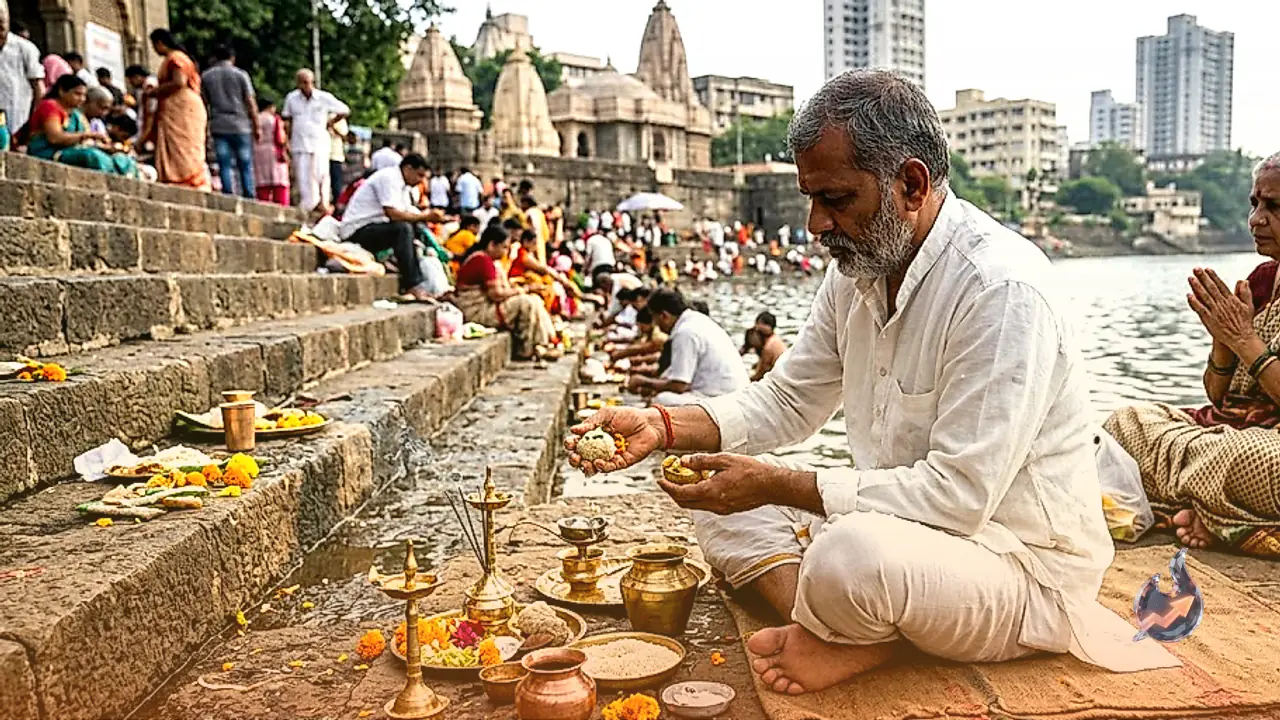
Devotees must maintain utmost reverence and caution during the procession. Carry the sacred idol carefully and head strictly to designated immersion spots created by civic authorities. To safeguard local aquatic ecosystems, choose clay idols over synthetic alternatives. Keep decorative garlands, dry leaves, and floral remains separate rather than dumping them directly into rivers or lakes. Pay particular attention to the safety of children near waterfronts, and follow local administrative guidelines diligently throughout the event.