
















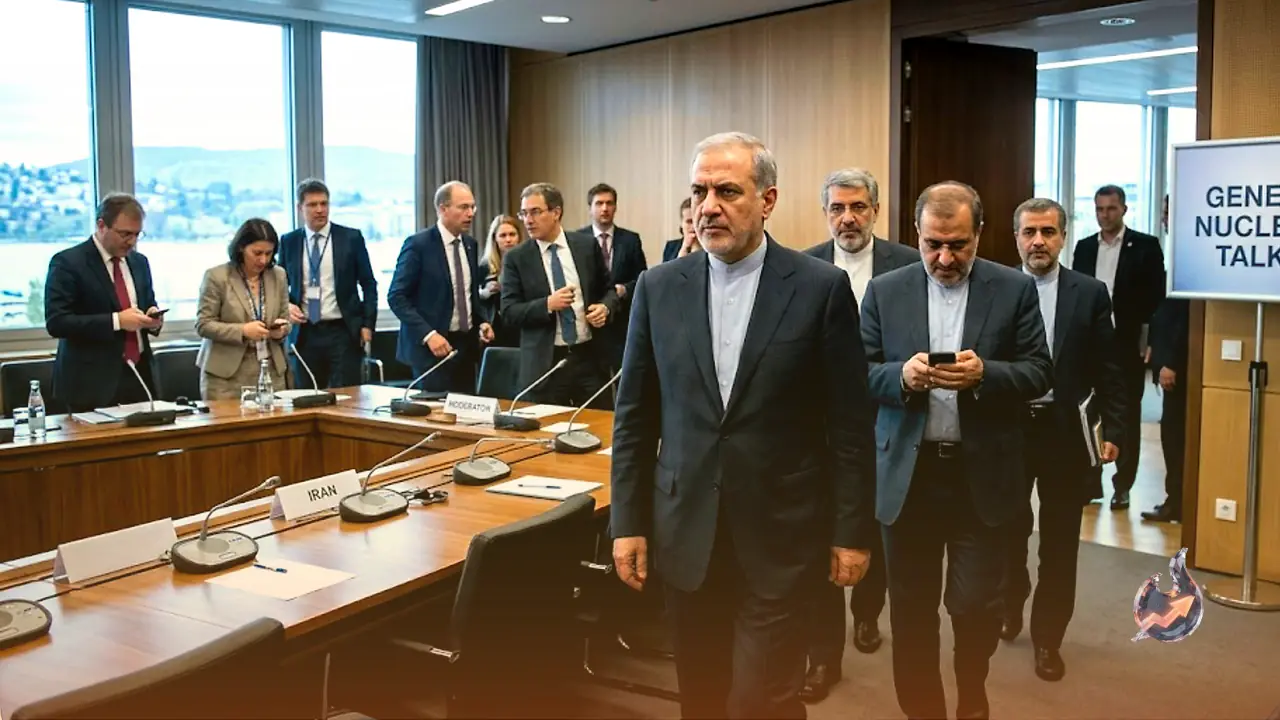

Nuclear talks between the United States and Iran in Geneva, Switzerland collapsed into crisis when President Donald Trump posted a military threat against Iran on social media in the middle of the ongoing negotiations. The Iranian delegation, furious at the tone of the message, protested formally to the American negotiators before walking out of the meeting hall after approximately 82 minutes of discussions. Pakistan and Qatar, serving as mediators, made persistent efforts to convince the Iranian team to return to the table but were unable to do so.
Trump's Social Media Threat and Iran's Sharp Response
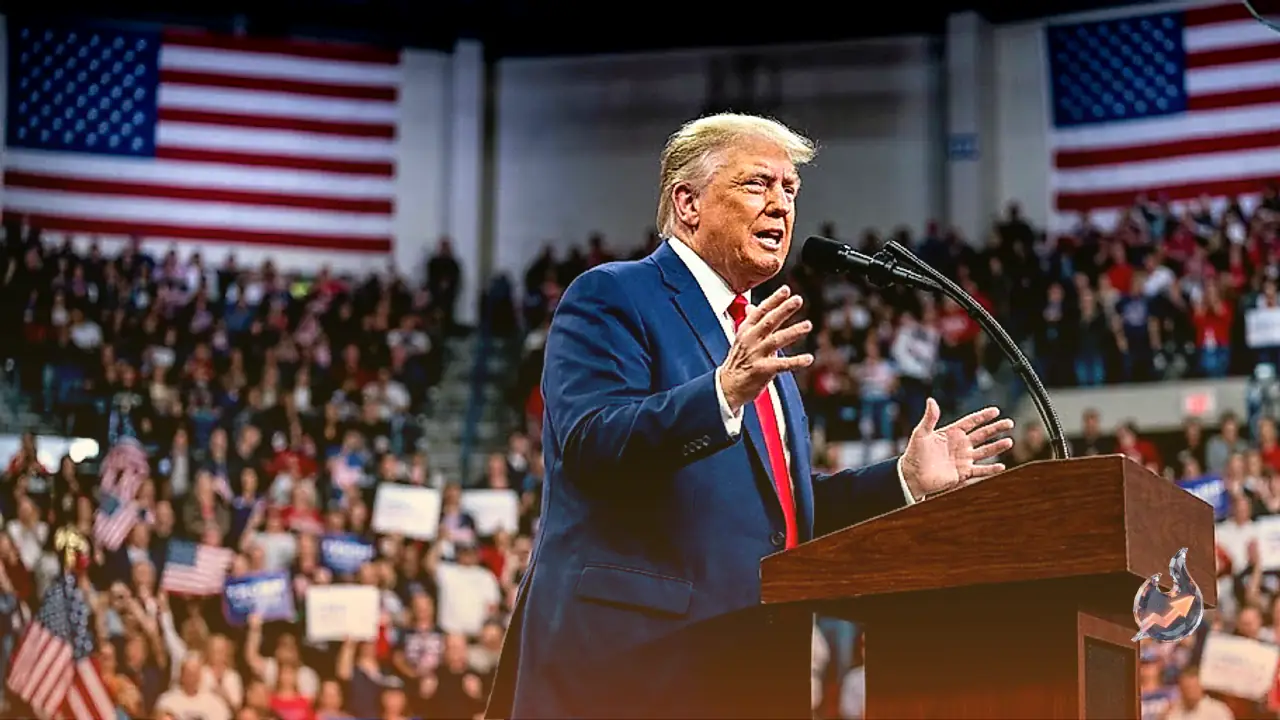
Trump posted on his social media platform Truth Social that if Iran did not stop Hezbollah, the United States would strike Iran with an attack even larger than the one carried out the previous week. The post landed while both delegations were still engaged in active talks in Geneva, instantly poisoning the atmosphere in the room.
Iran's response came swiftly. Mohammad Bagher Ghalibaf, Speaker of Iran's National Assembly and a member of its negotiating team, wrote back: "If American threats were effective, Washington would not have reached the position it finds itself in today." He called on American leaders to exercise greater caution in their statements and left no ambiguity about Iran's posture, declaring that whatever words were used, Iran's armed forces stood fully ready to respond in their own way.
The 82-Minute Session Followed by a Walkout
The Iranian delegation raised a formal objection over Trump's language directly in front of their American counterparts at the negotiating table. The two sides had talked for approximately 82 minutes before the Iranians left the meeting hall. Mediators from Pakistan and Qatar made determined attempts to bring the Iranian team back into the room, but those efforts did not succeed.
Key Outcomes from the First Round
Despite the dramatic exit, the initial session produced several agreements and areas of progress worth noting:
- Iran discussed the return of its frozen assets, and both sides also talked about easing restrictions on Iran's energy sector.
- A member of the Iranian delegation told state media that a draft on lifting sanctions on Iranian oil had been finalized during the first round of talks, and that relief would be put in place soon.
- Iran's $6 billion frozen in Qatar is to be returned as part of this deal.
- JD Vance, who led the American delegation, said the United States is prepared to leave past grievances behind in its dealings with Iran.
- A memorandum of understanding signed by both sides commits them to reaching an agreement on Iran's nuclear program within 60 days.
- The United States made it unambiguous that Iran will not be permitted to acquire nuclear weapons.
Iran Refuses to Bend on Its Nuclear Program
Iran's position on its nuclear ambitions is unyielding, and officials have made clear that no external force will halt the country's atomic program. President Masoud Pezeshkian stated plainly: "We will not bow to coercion, suppression or humiliation. We will not give up our right to progress and development, and they will have to accept that."
The turbulence of the first round signals that the road ahead will be far from smooth. Iran has also formally demanded an apology from Trump, though the American representatives present at the negotiations are said to have struck a noticeably more conciliatory tone than the president's social media posts.
Will There Be a Second Round?
Iran's state news agency IRNA has reported that talks entered a difficult phase following Trump's remarks. However, AP has reported that the Iranian delegation remains engaged in the process and has not signaled to mediators any intention to walk away from the negotiations entirely. Adding another layer of regional complexity, Israel has also declared that its forces will not withdraw from Beaufort Castle in southern Lebanon.